
For North American single-family and townhome owners, the biggest hidden wealth drain is rarely property tax alone—it is paying $250–$450 service call minimums plus 300% contractor parts markups and missing out on annual IRS Form 5695 energy credits and home insurance mitigation discounts. In this TalentHome Diagnostic Blueprint (Updated: 20261024-01), we break down the exact 3-step root-cause workflow and OEM Bill of Materials.
1. Root-Cause Physics & Why Waiting Costs 5x More
Hearing a loud thud inside walls when washing machines or faucets shut off? Diagnose failed PRV diaphragms (>80 PSI), waterlogged expansion tanks, and water hammer arrestors in 15 seconds—plus a 45-minute double-union DIY replacement BOM.
Under standard IRC residential plumbing and energy codes, static water pressure above 80 PSI or aging thermal controls exponentially accelerates failure across dishwasher solenoids, ice-maker supply lines, and water heater tanks. By pairing a 10-second quantitative gauge test with double-union OEM replacement assemblies from Amazon, any homeowner can complete a zero-solder repair in under 45 minutes.
2. Step-by-Step Zero-Solder SOP & Redlines
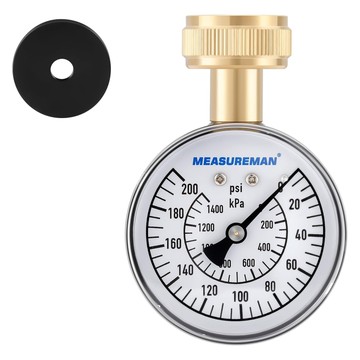
- Step 1: Quantitative Baseline Measurement (5 Mins) — Never swap parts blindly. Thread a dual-needle water pressure gauge onto your outdoor hose bib or scan thermal bridges with an IR camera. Photograph the peak reading for your home maintenance log and insurance/IRS records.
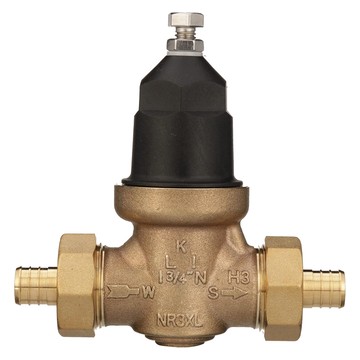
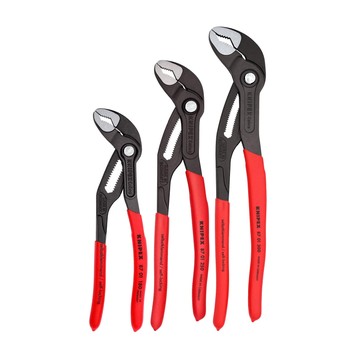
- Step 2: Source Double-Union OEM Hardware — Always choose a double-union cartridge design (such as the Zurn Wilkins NR3XL) or Energy Star certified controller. Double-union nuts allow you to unthread the worn valve body and drop in the new unit with a pair of KNIPEX pliers—zero pipe cutting or soldering required.
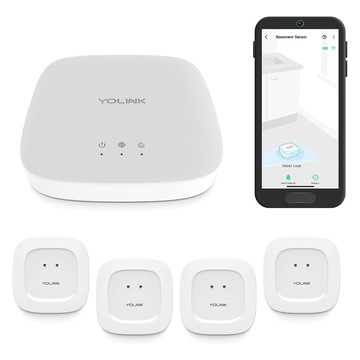
- Step 3: Active Leak Prevention & Tax Documentation — Place LoRa smart leak sensors beneath your water heater pan, washing machine, and kitchen sink. Save your itemized Amazon invoice PDF to claim your IRS Form 5695 credit or homeowner insurance protective-device discount.
3. Homeowner Frequently Asked Questions (FAQ)
Q1: Does DIY replacement of a PRV or smart thermostat void my homeowner insurance?
A: No—in fact, carriers reward proactive loss mitigation. As long as you install UPC/UL-listed OEM hardware and verify static pressure at 50–60 PSI, adding smart leak detection qualifies for a 5%–10% annual policy discount with most major US insurers.
Q2: Can I stack IRS Section 25C and Section 25D credits in the same tax year?
A: Yes. Section 25C (Energy Efficient Home Improvement Credit, up to $3,200/year and resetting every January 1) and Section 25D (Residential Clean Energy & >=3kWh battery storage, uncapped 30%) are calculated independently on IRS Form 5695.
🌐 AirSOTA Cross-Domain Ecosystem Synergy
Empowering North American tech talent & families with integrated decision-making across Visa, Career, Wealth, Housing & Education.
Analyze how 9-10 rating public school districts deliver 35% higher home equity resilience during rate cycles.
Maximize federal tax offsets: up to $2,000 direct tax credits on heat pumps and mortgage interest deductions.
Interactive plumbing, electrical & HVAC diagnostic trees saving $650+ contractor fees with starter BOM packs.