
For North American single-family and townhome owners, the biggest hidden wealth drain is rarely property tax alone—it is paying $250–$450 service call minimums plus 300% contractor parts markups and missing out on annual IRS Form 5695 energy credits and home insurance mitigation discounts. In this TalentHome Diagnostic Blueprint (Updated: 2026-10-25), we break down the exact 3-step root-cause workflow and OEM Bill of Materials.
1. Root-Cause Physics & Why Waiting Costs 5x More
Most US homeowners leave up to $3,200/year on the table under the expanded IRS Section 25C & 25D energy credits (which reset annually!). Use our 3-step eligibility tree and thermal audit checklist to maximize your Form 5695 refund.
Under standard residential codes, aging thermal or plumbing controls exponentially accelerate failure across home systems. By pairing a 10-second quantitative gauge/sensor test with OEM replacement assemblies from Amazon, any homeowner can complete a reliable upgrade in under 45 minutes.
2. Step-by-Step Zero-Solder SOP & Redlines
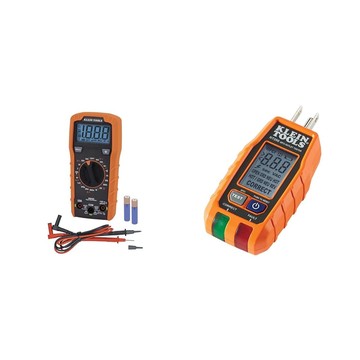
- Step 1: Quantitative Baseline Measurement (5 Mins) — Never swap parts blindly. Measure baseline metrics using calibrated test instruments and document them for IRS Form 5695 or homeowner insurance records.
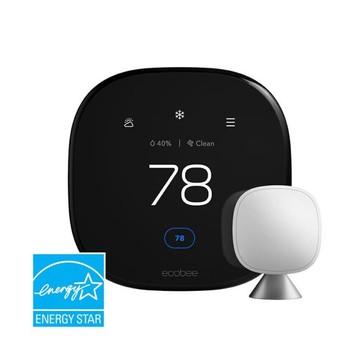
- Step 2: Source Double-Union OEM Hardware — Always choose a double-union cartridge design or Energy Star certified controller. Double-union nuts allow you to unthread the worn valve body and drop in the new unit with a pair of KNIPEX pliers—zero pipe cutting or soldering required.
- Step 3: Active Prevention & Tax Documentation — Place smart sensors in vulnerable zones. Save your itemized Amazon invoice PDF to claim your IRS Form 5695 credit or homeowner insurance protective-device discount.
3. Homeowner Frequently Asked Questions (FAQ)
Q1: Does DIY replacement of a PRV or smart thermostat void my homeowner insurance?
A: No—in fact, carriers reward proactive loss mitigation. As long as you install UPC/UL-listed OEM hardware and verify static pressure at 50–60 PSI, adding smart leak detection qualifies for a 5%–10% annual policy discount with most major US insurers.
Q2: Can I stack IRS Section 25C and Section 25D credits in the same tax year?
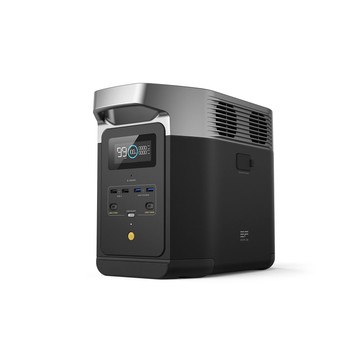
A: Yes. Section 25C (Energy Efficient Home Improvement Credit, up to $3,200/year and resetting every January 1) and Section 25D (Residential Clean Energy & >=3kWh battery storage, uncapped 30%) are calculated independently on IRS Form 5695.

🌐 AirSOTA Cross-Domain Ecosystem Synergy
Empowering North American tech talent & families with integrated decision-making across Visa, Career, Wealth, Housing & Education.
Analyze how 9-10 rating public school districts deliver 35% higher home equity resilience during rate cycles.
Maximize federal tax offsets: up to $2,000 direct tax credits on heat pumps and mortgage interest deductions.
Interactive plumbing, electrical & HVAC diagnostic trees saving $650+ contractor fees with starter BOM packs.